Why Experiential Learning is the Key to Finding Your Purpose
By Dr. Levi Brackman
Published February 25, 2026 · 8 min read
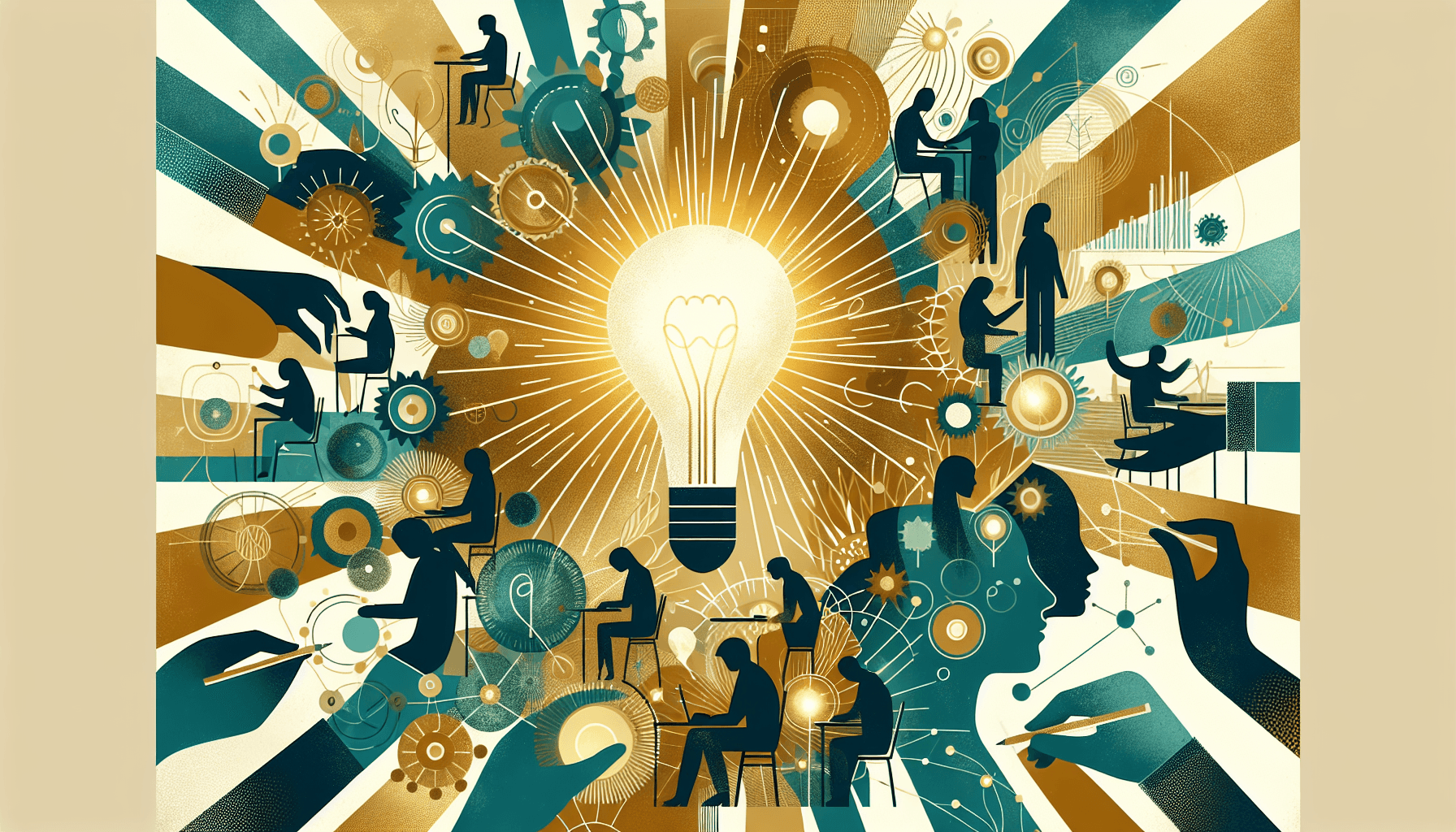
Traditional education teaches you what to think. Experiential learning teaches you who you are. Research from the Search Institute confirms that hands-on, goal-directed learning is one of the 16 factors that foster purpose in youth - yet most schools prioritize passive absorption over active discovery.
Think back to the most important lessons you have ever learned. Chances are, they did not come from a textbook or a lecture. They came from doing something - failing at it, trying again, learning from the experience, and eventually internalizing whatever that skill or insight was.
This is the essence of experiential learning: the idea that we learn most deeply through direct experience. And according to research, it may also be the most powerful pathway to discovering our purpose in life.
The Problem with Passive Learning
Traditional education is designed around passive absorption. Students sit in lectures, read textbooks, take tests, and reproduce information on demand. This model works reasonably well for transmitting knowledge - but it fails spectacularly when it comes to self-discovery.
Here is why: purpose is not something you can learn from a book. Purpose emerges from the interaction between who you are and what you do. You can read about purpose, think about purpose, and discuss purpose in abstract terms - but you cannot truly know your purpose until you have experienced yourself in action.
This is exactly what the Search Institute, led by the late Peter Benson, discovered in their landmark research on youth purpose. One of the sixteen factors they identified as fostering purpose in young people is "goal-directed activity with like-minded peers and adults." Purpose does not emerge from contemplation - it emerges from doing.
What Research Tells Us About Experiential Learning
The scientific case for experiential learning is robust. David Kolb, a pioneer in experiential learning theory, developed a four-stage model that explains how experience transforms into learning: concrete experience, reflective observation, abstract conceptualization, and active experimentation.
This cycle explains why simply reading about potential careers is so ineffective. A teenager can read about what lawyers do, what engineers do, what artists do - but none of that information tells them how they will feel doing those things. Only direct experience can provide that data.
The Greater Good Science Center at UC Berkeley has documented how purpose naturally evolves throughout life, shaped by experiences and reflection. Their research confirms that purpose is not a fixed destination but an ongoing process of discovery - and that process is activated most powerfully through experiential engagement.
The Aspects You Enjoy Come Alive Through Experience
At PurposeLife, we teach a framework that identifies the "aspects you enjoy" - the underlying qualities that make certain activities fulfilling. A student might think they love basketball, but when they examine the experience more closely, they discover what they really love is the competition, the teamwork, or the strategic thinking.
This kind of insight cannot come from reading or listening. It can only emerge from doing. When you are actively engaged in an activity, you have access to information about how it makes you feel, what energizes you, and what drains you. That information is the raw data of purpose discovery.
This is why our purpose-discovery process - validated through PhD research with over 1,288 participants - emphasizes action over analysis. We guide people through experiential exercises precisely because that is where the clarity lives.
Why Schools Do Not Teach Purpose (And Why They Should)
Here is an uncomfortable truth about education: schools are designed to transmit knowledge, not to foster self-discovery. The institutional structure of schooling - rigid schedules, standardized curricula, emphasis on test performance - creates an environment where exploration is inefficient and individual discovery is nearly impossible.
As Stanford Professor William Damon documented in his book "The Path to Purpose," only about 20% of American youth have a clear sense of purpose. This is not because young people are lazy or unmotivated - it is because our educational system was not designed to help them find it.
The solution is not to add another elective course on "finding your purpose." The solution is to reimagine learning itself. When education incorporates more experiential components - internships, projects, service learning, creative exploration - students naturally accumulate the data they need to discover their purpose.
Three Experiential Approaches That Foster Purpose
If you are looking to discover your purpose through experience, here are three research-backed approaches:
1. The Internship Path
Internships provide structured exposure to real work environments. Unlike classroom learning, internships place you inside an actual organization, doing actual work, with actual consequences for your performance. This generates the experiential data that nothing else can provide.
The key is variety. One internship might confirm what you do not enjoy - which is equally valuable as discovering what you do. Research shows that young people who have more diverse experiential opportunities develop purpose earlier and more clearly.
2. Service Learning and Volunteering
Volunteer work and service learning offer another form of experiential education - one that adds the crucial "beyond the self" dimension of purpose. When you serve others, you discover not just what activities energize you but also how you want to contribute to the world.
Research consistently shows that prosocial behavior - helping others - increases sense of meaning and purpose. The APA is research on purpose confirms that contribution to community is a foundational element of purposeful living.
3. Personal Projects
You do not need an institutional program to learn experientially. Starting a personal project - a blog, a small business, a creative endeavor, a community initiative - places you in the position of active creator rather than passive consumer.
Personal projects generate intense experiential data. You discover your work style, your creative instincts, your resilience under pressure, and your relationship with failure. All of this information points toward your purpose.
The Failure Factor
Experiential learning involves failure - and that is a feature, not a bug. When you try new things, you will sometimes fail. But research shows that purpose develops most robustly when young people engage in "goal-directed activity" - activity that involves goals, effort, and the inevitable setbacks that accompany any meaningful endeavor.
The key is reframing failure. In an experiential framework, a failed project is not evidence of incompetence - it is data. It tells you something about what does not work, what does not energize you, and what adjustments are needed. This is exactly the information purpose discovery requires.
Our article on five purpose discovery exercises explores this dynamic in more detail, offering practical activities that generate the experiential data you need.
Creating Your Own Experiential Education
You do not need to wait for your school or employer to provide experiential opportunities. Here is how to create your own:
Start now. Do not wait until summer or until you graduate. Begin with whatever resources you have available - a part-time project, a volunteer commitment, a creative endeavor.
Embrace variety. Try things outside your comfort zone. The goal is not to become good at everything - it is to gather data about what energizes you and what drains you.
Reflect actively. After each experiential opportunity, take time to reflect. What did you enjoy? What frustrated you? What moments made time disappear? These reflections are the building blocks of purpose.
Connect with mentors. Research shows that exposure to adults who model purposeful living is one of the most powerful catalysts for purpose development. Seek out people whose work inspires you and learn from their experiences.
The Path Forward
Experiential learning is not just an educational methodology - it is a pathway to self-knowledge. And self-knowledge is the foundation of purpose.
If you are feeling lost - whether you are a student, a career-changer, or someone approaching retirement - the answer is not more reading, more planning, or more contemplation. It is more doing.
Start your experiential journey today. Try something new. Reflect on what you discover. And trust that the process will reveal your purpose in ways that no amount of passive learning ever could.
Our free purpose assessment is designed to guide you through this experiential process, helping you identify the patterns in your activities that point toward your unique purpose. Combined with hands-on exploration, it provides both the framework and the data you need to find direction.
Because purpose is not found in books. It is found in experience. And the most important experience is the one you create for yourself.
Ready to discover your purpose?
Take our free purpose assessment and start your journey today.
Take the Free Assessment